Cold Climate Engineering: How Premium Outdoor Hot Tubs Stay Energy Efficient in Winter
Winter is the ultimate stress test for any outdoor hot tub. Subzero temperatures, wind exposure, snow load, and prolonged heating cycles expose weaknesses that remain hidden in mild climates. This is why energy efficiency in winter is not a feature—it is a consequence of engineering discipline.
The best outdoor hot tubs are not simply insulated better; they are designed from the ground up to manage heat retention, thermal transfer, and mechanical reliability in cold environments. Understanding how this is achieved helps buyers distinguish true premium spas from products that perform well only under ideal conditions.
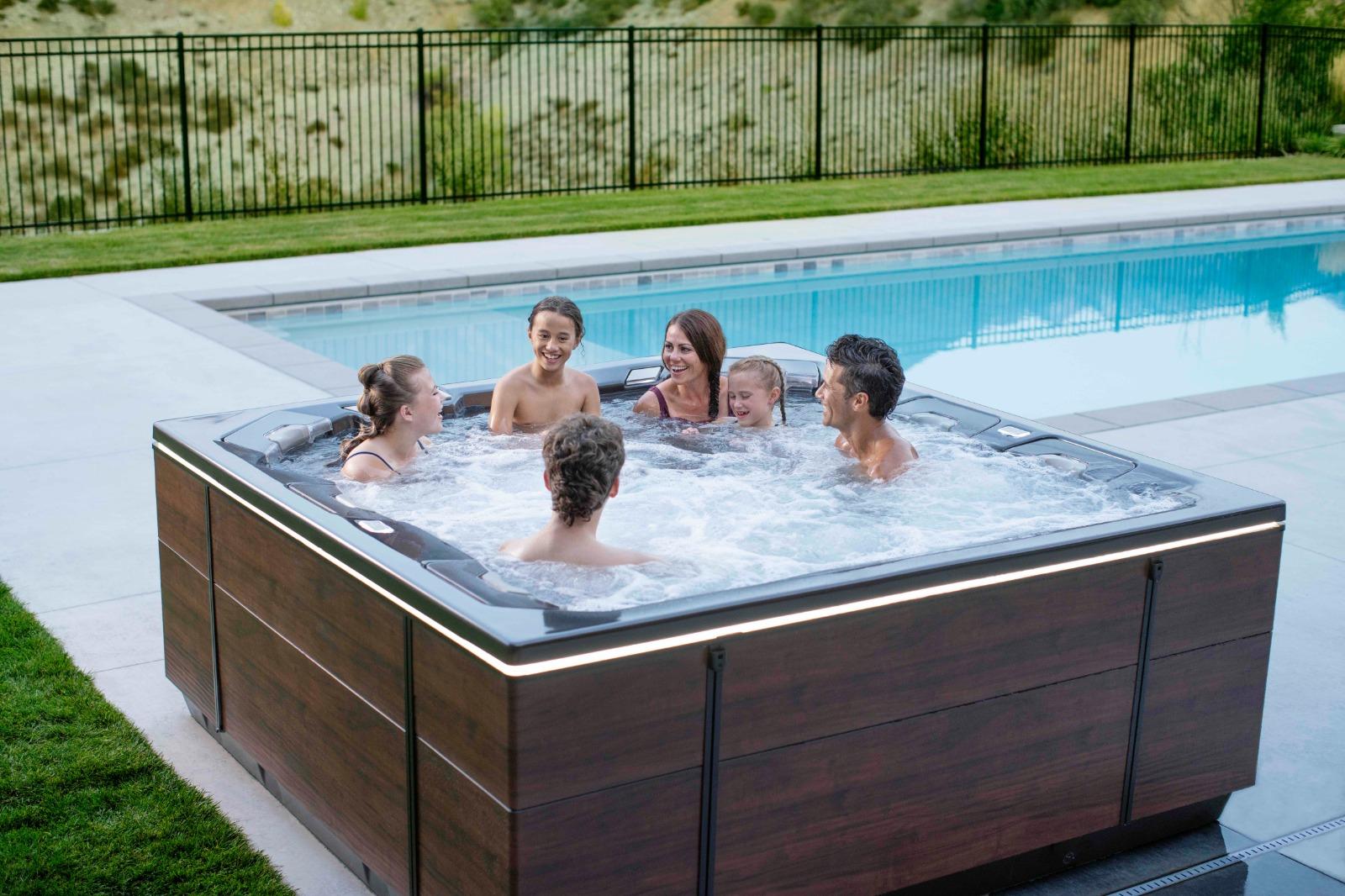
Heat Retention Is a System, Not a Single Component
Energy efficiency in winter begins with how heat is contained, not how quickly it is generated. Many spas rely on powerful heaters to compensate for heat loss, which leads to high electrical consumption and mechanical fatigue. Premium designs focus instead on reducing heat escape at every point.
Top manufacturers engineer thermal efficiency as a closed system involving shell insulation, cabinet sealing, plumbing stabilization, and base protection. When these elements work together, the heater operates less frequently, maintaining temperature rather than constantly rebuilding it.
This systemic approach is what separates top brand hot tubs from mid-tier models that rely on isolated insulation upgrades.
Shell Insulation and Thermal Mass Matter More Than Heater Size
The shell is the primary heat reservoir of a hot tub. In cold climates, premium spas use multi-layer acrylic shells reinforced with high-density backing materials that retain warmth long after heating cycles pause.
Thermal mass allows the spa to resist rapid temperature loss during lid openings, high wind conditions, or power fluctuations. Cheaper shells cool quickly, forcing heaters to work continuously—an invisible cost that becomes painfully obvious on winter utility bills.
The best outdoor hot tubs use shell construction to stabilize temperature passively, reducing reliance on active heating.
Full-Environment Insulation vs Partial Foam Approaches
Insulation strategies vary widely across manufacturers. Some rely on perimeter insulation, others on partial foam, and the most effective systems use full-environment thermal containment.
Premium spas often employ dense foam insulation around plumbing lines to prevent heat loss while simultaneously stabilizing pipes against vibration and freeze risk. This not only improves energy efficiency but also reduces the likelihood of cold-weather leaks caused by thermal contraction.
From a spa supplier standpoint, fewer winter service calls are a direct result of better insulation engineering—not better warranties.
Cabinet Sealing and Airflow Control Are Critical in Winter
Wind is one of the most underestimated factors in winter heat loss. Even well-insulated spas lose efficiency if cold air is allowed to circulate freely inside the cabinet.
High-quality outdoor hot tubs feature sealed or semi-sealed cabinets that trap residual heat generated by pumps and heaters. Instead of venting this warmth outdoors, premium designs recapture it, effectively recycling operational heat.
This passive heat recovery significantly lowers energy demand during extended cold periods and is a defining trait of premium spas designed for harsh climates.
Plumbing Design Determines Freeze Resistance
Cold climate efficiency is not only about warmth—it is about maintaining fluid movement. Standing water in poorly routed plumbing is vulnerable to freezing, expansion, and cracking.
Top brand hot tubs are engineered with short, direct plumbing runs and minimal dead zones. Water circulates continuously through critical pathways, reducing the risk of ice formation even in extreme conditions.
Rigid plumbing materials with proper support outperform flexible hoses in winter because they maintain shape under thermal stress. This design choice improves both efficiency and durability.
Covers Are the Largest Heat Barrier—and Often the Weakest Link
No matter how advanced the spa itself is, heat loss accelerates rapidly through a poor-quality cover. In winter, the majority of energy loss occurs upward, not through the sides.
Premium outdoor hot tubs are paired with high-density, tapered covers that prevent water pooling and snow accumulation. Multi-layer vapour barriers inside the cover stop moisture intrusion, which would otherwise destroy insulation value over time.
From an engineering standpoint, a compromised cover can negate even the best internal insulation strategy.
Smart Controls Reduce Winter Energy Waste
Energy efficiency is not static; it is managed. Advanced control systems in premium spas allow precise temperature maintenance, filtration scheduling, and freeze protection without overuse of heating elements.
Smart systems prevent unnecessary reheating after brief lid openings and adjust circulation behavior during extreme cold. This level of control reduces peak electrical draw and stabilizes monthly energy costs throughout winter.
For experienced spa suppliers, these systems also enable faster diagnostics and fewer cold-weather failures.
Why Cheap Spas Struggle in Winter
Lower-cost hot tubs often perform adequately in mild climates but fail under winter conditions due to cumulative design shortcuts. Thin shells lose heat rapidly. Incomplete insulation exposes plumbing to cold air. Cabinets allow wind intrusion. Covers absorb moisture and collapse under snow load.
The result is higher energy consumption, increased service issues, and shortened component lifespan. These costs are rarely visible at purchase but become unavoidable over time.
This is why buyers searching for best outdoor hot tubs must evaluate winter engineering explicitly, not assume all spas are designed for year-round exposure.
What Cold-Climate Buyers Should Actually Evaluate
A winter-ready spa should maintain stable water temperature with minimal heater cycling, resist heat loss during high wind, protect plumbing without reliance on constant heating, and operate quietly even in subzero conditions.
Premium spas achieve this not through a single feature, but through cohesive engineering decisions that prioritize thermal efficiency at every level.
This is the difference between a spa that survives winter and one that thrives in it.
Final Perspective
Cold climates do not forgive weak design. Winter exposes inefficiencies quickly and relentlessly. The Best Outdoor Hot Tubs are those engineered to work with physics rather than fight it—retaining heat, stabilizing systems, and minimizing energy demand through intelligent construction.
For buyers, understanding cold climate engineering is not about fear—it is about foresight. Choosing the right spa supplier and investing in proven top brand hot tubs ensures that winter becomes the season where premium spas prove their value, not their limitations.
The article “Cold Climate Engineering: How Premium Outdoor Hot Tubs Stay Energy Efficient in Winter” was originally posted Here.


Comments
Post a Comment